The Homeowner’s Guide to Maintaining Sheet Metal Roofs Year-Round
Sheet metal roofs have become increasingly popular among homeowners for their durability, longevity, and sleek modern aesthetic. Unlike traditional asphalt shingles, these roofs offer superior resistance to harsh weather conditions, including heavy rain, snow, and high winds. However, despite their reputation for resilience, sheet metal roofs are not entirely maintenance-free. Regular care and proactive upkeep are essential to maximize their lifespan and maintain both functionality and visual appeal. Understanding how to properly maintain these roofs year-round can prevent costly repairs, preserve structural integrity, and protect your home from water damage and other environmental hazards.
Maintaining a sheet metal roof may seem straightforward, but many homeowners overlook subtle issues that can lead to long-term problems. From corrosion and loose fasteners to debris accumulation and sealant deterioration, neglecting minor concerns can escalate into major repairs. A proactive maintenance approach not only safeguards the roof but also enhances energy efficiency, reduces insurance claims, and maintains property value. This guide offers a comprehensive, season-by-season framework for sheet metal roof care, providing homeowners with practical tips, actionable insights, and expert reasoning to confidently manage their roofing investment throughout the year.
Understanding Sheet Metal Roofs and Common Challenges
Types of Sheet Metal Roofing
Sheet metal roofs come in a variety of materials, including aluminum, galvanized steel, copper, and zinc. Each material offers unique benefits and maintenance considerations. Aluminum, for instance, is lightweight and resistant to rust, making it ideal for coastal areas. Steel is strong and cost-effective but requires protective coatings to prevent corrosion. Copper and zinc develop a natural patina over time, providing long-lasting protection and aesthetic appeal, though they are more expensive.
Common Maintenance Challenges
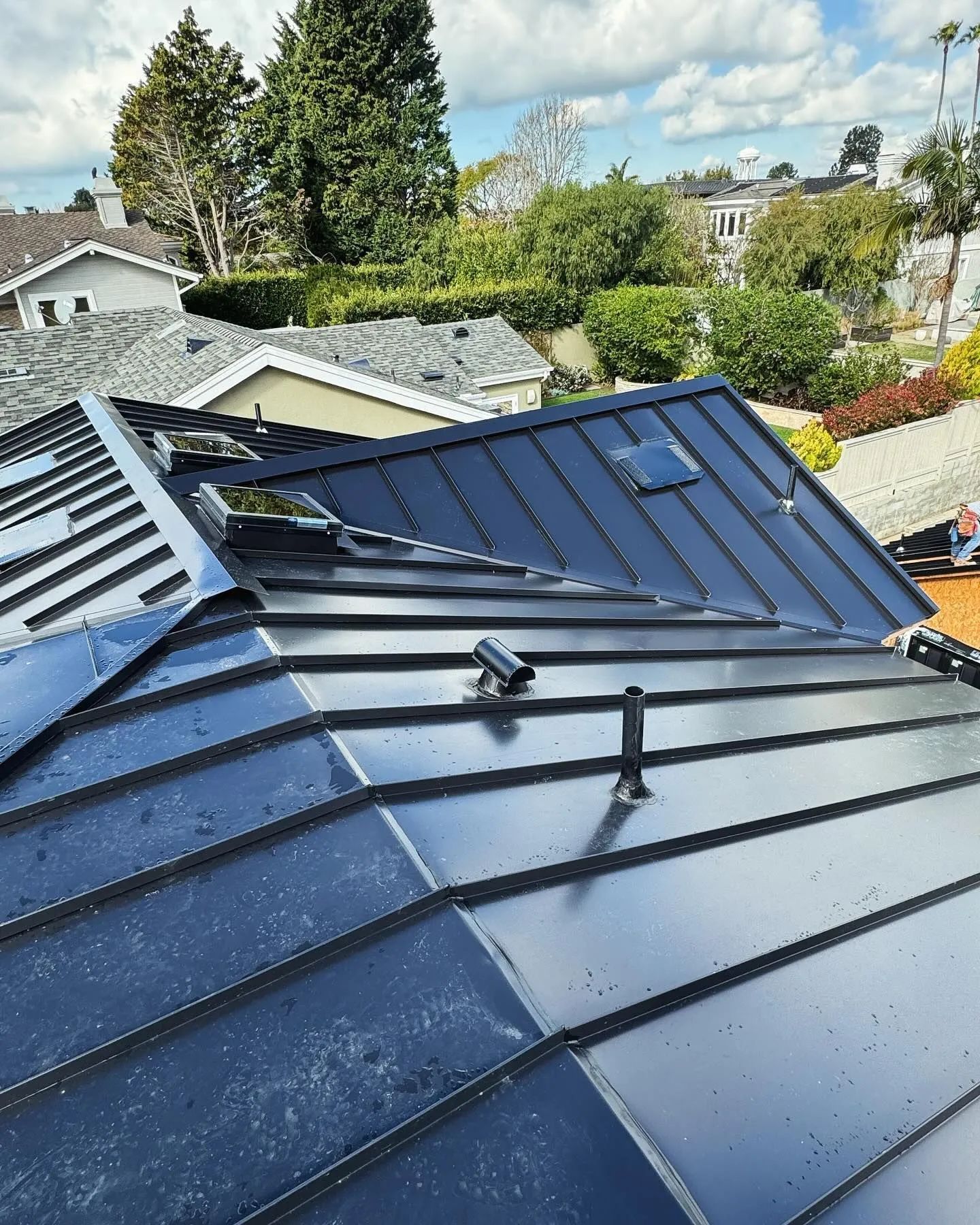
Despite their durability, sheet metal roofs face specific challenges. One of the most common issues is corrosion, often caused by exposure to moisture, environmental pollutants, or contact with incompatible metals. Loose or damaged fasteners can create leaks, while improper sealant application may lead to water infiltration. Accumulated debris such as leaves, pine needles, or dirt can trap moisture against the roof surface, accelerating wear. Homeowners should also watch for scratches or coating damage, which can compromise protective finishes and accelerate deterioration.
Signs Your Roof Needs Attention
Regular inspections are critical to identifying early warning signs. Look for rust spots, faded or peeling coatings, loose panels, or unusual noises during rain or wind. Even minor issues can escalate if ignored. Proactive attention ensures that repairs are manageable and cost-effective, preserving the roof’s structural integrity.
Seasonal Maintenance Strategies
Winter Care
During winter, sheet metal roofs are exposed to snow, ice, and fluctuating temperatures. Snow accumulation adds weight and can cause structural stress. Ice dams, which form along roof edges, can prevent proper drainage and lead to leaks. Homeowners should safely remove excess snow using plastic shovels or roof rakes designed for metal surfaces. Avoid using metal tools that can scratch or damage the roof coating. Inspect gutters and downspouts to ensure proper water flow as snow melts.
Spring Inspection
Spring is ideal for a thorough inspection after winter’s wear. Check for rust, corrosion, and loose fasteners that may have shifted due to temperature changes. Clean gutters, downspouts, and roof surfaces to remove debris accumulated over winter. Reapply protective sealants if necessary and ensure that roof vents, flashings, and joints are intact. Spring maintenance sets the stage for summer durability and prevents potential water damage during rainy seasons.
Summer Protection
Summer exposes sheet metal roofs to intense sunlight and high temperatures, which can cause thermal expansion and contraction. Over time, repeated expansion may loosen fasteners or stress panel seams. Inspect the roof for signs of heat-related wear, including cracked coatings or blistering paint. Apply reflective coatings to reduce heat absorption and improve energy efficiency. Removing debris and trimming overhanging tree branches will minimize the risk of scratches or punctures.
Fall Preparations
Fall is the perfect season to prepare for winter. Remove fallen leaves, twigs, and other debris that could trap moisture. Inspect roof edges, gutters, and downspouts to ensure proper drainage. Replace or repair damaged sealants and check for loose screws or fasteners. Cleaning and maintenance in the fall reduce the likelihood of ice dams, leaks, and corrosion during winter months.
Routine Cleaning and Inspection
Inspection Techniques
Homeowners should conduct visual inspections at least twice a year, focusing on seams, fasteners, flashings, and any areas exposed to water accumulation. Use binoculars or drones for hard-to-reach areas to avoid unsafe climbing. For more detailed inspections, consider hiring a professional roofing contractor who can identify subtle issues like micro-cracks, coating degradation, or improperly installed panels. Documenting inspections with photographs helps track roof condition over time.
Common Problems Identified During Inspections
Inspections often reveal minor issues that, if addressed promptly, prevent expensive repairs. Common problems include loose or missing screws, rust spots, damaged sealants, dented panels, and clogged gutters. Even small dents or scratches can lead to moisture infiltration, accelerating corrosion. Identifying these issues early ensures cost-effective maintenance and extends the lifespan of the roof.
Repairs and Preventive Measures
Fastener and Seam Maintenance
Fasteners are critical to maintaining the roof’s structural integrity. Over time, screws can loosen due to thermal movement or weather exposure. Regularly check for loose or missing screws and replace them with corrosion-resistant fasteners. Seams between panels should also be inspected for gaps or lifting edges. Applying sealants or roofing tape designed for metal roofs helps maintain watertightness.
Coating and Rust Prevention
Protective coatings prevent corrosion and enhance roof longevity. Periodically inspect coatings for scratches, peeling, or discoloration. Minor scratches can be touched up with matching paint, while larger areas may require professional re-coating. Consider applying rust inhibitors on vulnerable spots, particularly in coastal areas where salt exposure accelerates corrosion.
Gutter and Drainage Management
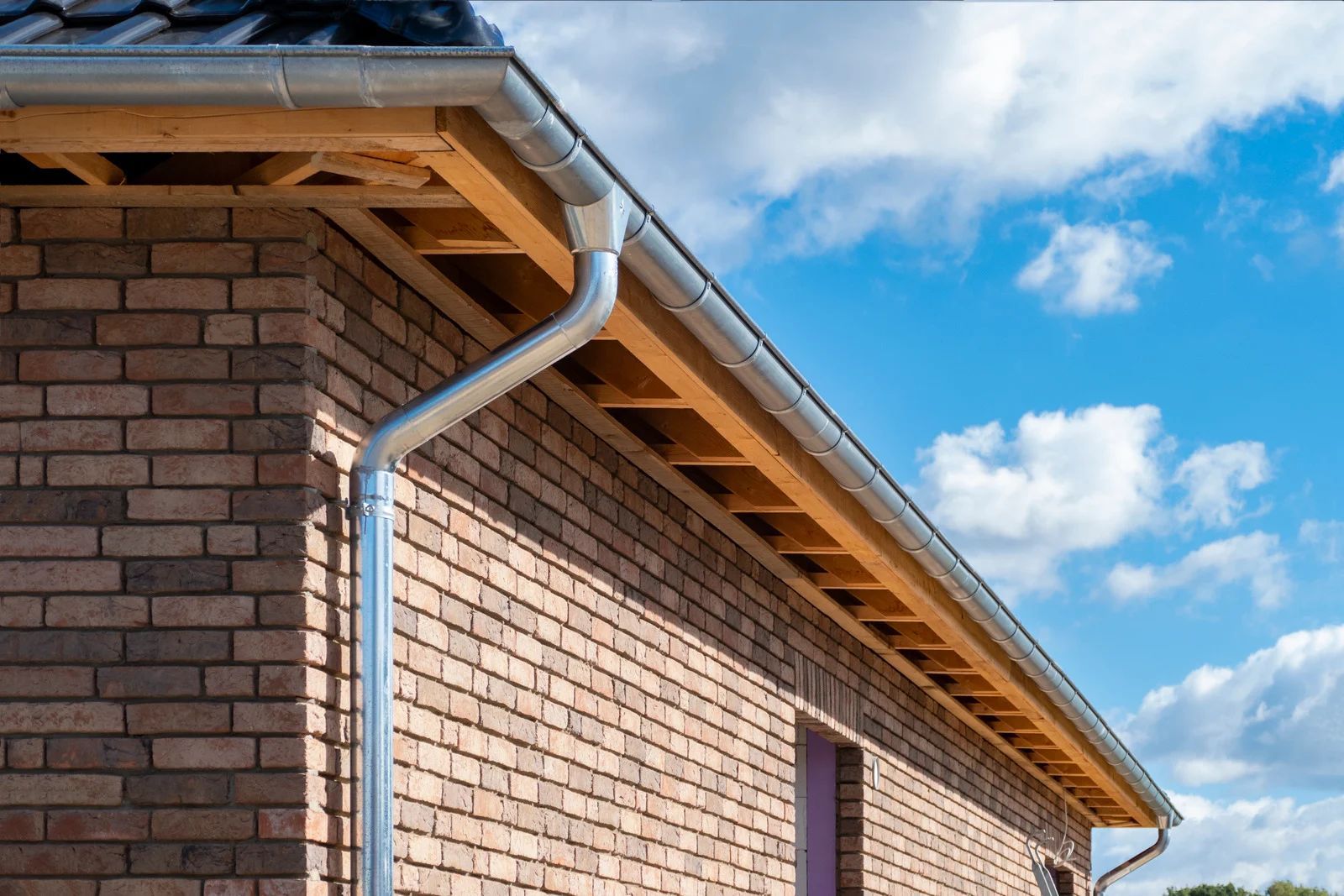
Efficient water drainage is essential to prevent leaks and corrosion. Clean gutters and downspouts regularly to remove debris that can trap water against roof panels. Ensure that gutter guards or strainers are in good condition and properly installed. Poor drainage can lead to standing water, which is one of the primary causes of rust formation and panel damage.
Professional Intervention
While homeowners can handle routine maintenance, certain repairs require professional expertise. Major dent repairs, extensive rust treatment, or panel replacement are best handled by experienced roofing contractors. Professional intervention ensures proper materials and techniques are used, preserving roof integrity and warranty coverage.
Energy Efficiency and Longevity Enhancements
Reflective Coatings and Insulation
Applying reflective coatings can significantly reduce heat absorption, keeping the home cooler and reducing energy costs. These coatings also protect roof coatings from UV degradation, preserving color and finish. Proper attic insulation and ventilation complement reflective coatings, preventing thermal stress and condensation, which can damage roof panels over time.
Roof Overhangs and Ventilation
Adequate overhangs protect siding and fascia from water damage, while proper ventilation prevents moisture buildup under the roof deck. Ridge vents, soffit vents, and roof fans help regulate temperature and humidity levels, reducing the risk of corrosion and panel warping. Ventilation also contributes to indoor comfort and energy efficiency.
Landscaping Considerations
Strategic landscaping can reduce debris accumulation on the roof. Trimming trees near the home prevents branches from scraping panels during wind or storms. Avoid planting fast-growing trees directly near the house, as falling leaves, seeds, or sap can increase cleaning and maintenance frequency. Proper landscaping enhances both roof protection and overall property aesthetics.
Safeguarding Your Investment With Trusted, Expert Care
Maintaining a sheet metal roof requires diligence, planning, and knowledge, but the payoff is significant: a roof that stands strong against the elements, enhances your home’s aesthetic appeal, and protects your investment. From seasonal inspections and routine cleaning to professional repairs and energy-efficient enhancements, homeowners who commit to year-round care enjoy both peace of mind and long-term savings. By understanding the unique needs of sheet metal roofing, recognizing early warning signs, and implementing proactive strategies, homeowners can confidently safeguard their property while extending the lifespan of their roofing system.
At Socal Sheet Metal, Inc., based in Canoga Park, California, we bring over 13 years of expertise in sheet metal roofing. Our team specializes in comprehensive maintenance, repair, and installation services tailored to each client’s unique needs. We understand the challenges homeowners face with metal roofing—from rust prevention to fastener integrity and coating preservation. With our proven track record, attention to detail, and commitment to quality, we help property owners maximize the longevity and performance of their roofs. Whether it’s a routine inspection, seasonal upkeep, or complex repair, Socal Sheet Metal, Inc.
delivers professional, reliable solutions you can trust. Partnering with our experts ensures your sheet metal roof remains structurally sound, visually appealing, and fully protected year-round, giving you confidence in your home’s most essential investment.