How Downspouts Keep Your Home Safe from Water Damage
Water management is one of the most critical yet overlooked aspects of home protection. Every rainfall carries the potential to damage a structure when runoff is not properly directed away from the foundation. Downspouts play a vital role in controlling this flow, ensuring water collected by gutters is safely transported away from the building. Without an efficient downspout system, even a well-designed roof drainage setup can fail, leading to costly structural issues over time.
We often see homeowners underestimate how quickly uncontrolled water can compromise a property. Soil erosion, basement leaks, foundation cracks, and exterior wall deterioration commonly begin with poor drainage management. Downspouts act as the final and most important step in a building’s water diversion system. By guiding rainwater away from the base of the structure, we significantly reduce the risk of long-term moisture damage and preserve the integrity of the entire home. Proper installation, maintenance, and positioning of downspouts ensure that water is not just collected but safely discharged, protecting both structural stability and indoor comfort throughout changing weather conditions year-round.
Understanding the Role of Downspouts in Water Management
How Downspouts Complete the Gutter System
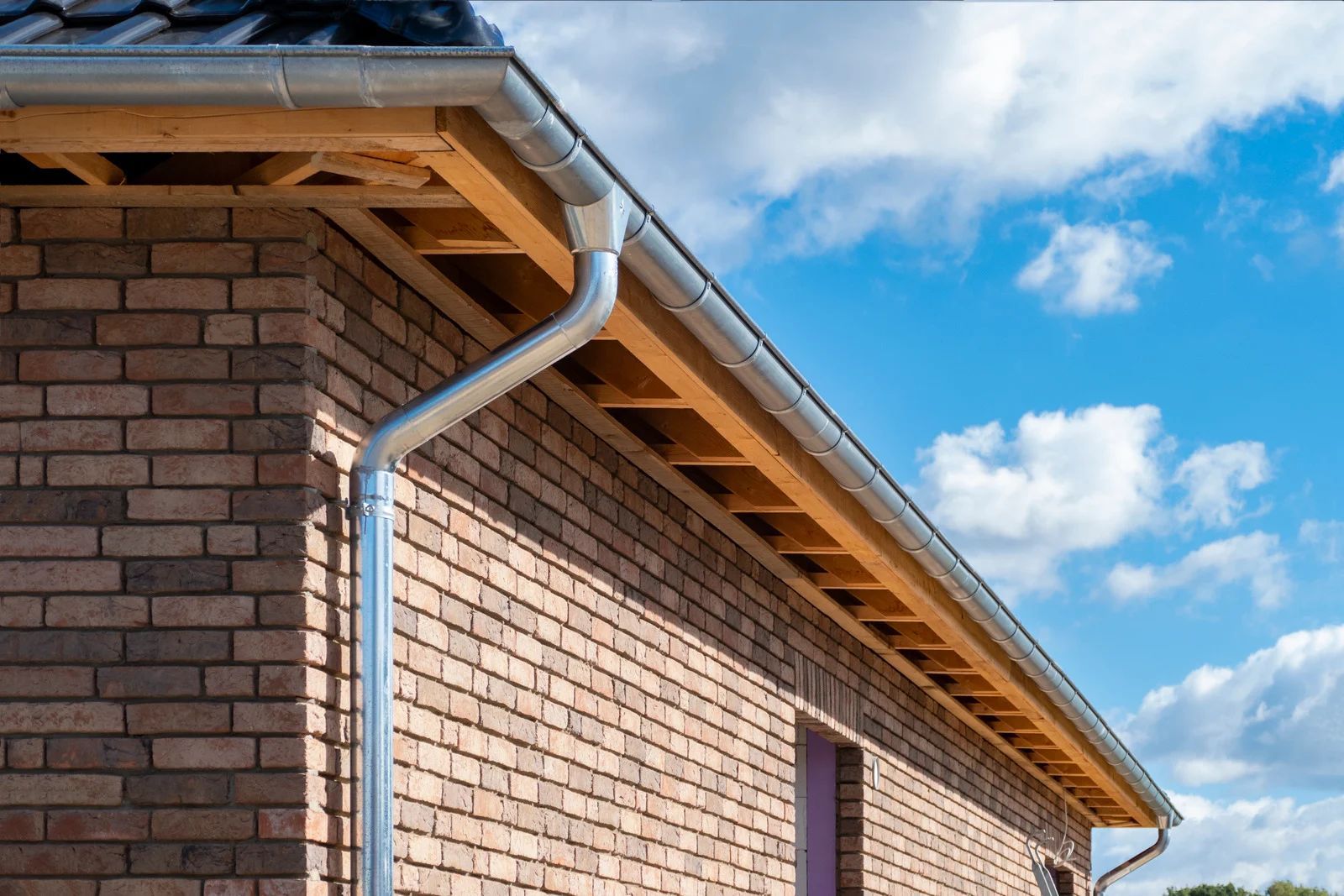
We rely on gutters to collect rainwater from the roof, but gutters alone cannot protect a home. Downspouts act as the controlled exit pathway for that water. Once rainfall accumulates along the roofline, gravity channels it into gutters, which then direct it into downspouts. From there, water is safely carried to ground level and away from the foundation in a controlled and efficient manner. This ensures consistent protection during intense seasonal rainfall events occurring.
Without this final step, gutters overflow, spilling water directly along exterior walls. That overflow increases the risk of siding damage, soil saturation, and foundation weakening. We ensure that every gutter system is paired with correctly sized and strategically placed downspouts to maintain consistent water flow during heavy rainfall and seasonal storm conditions, especially during prolonged storms and unpredictable heavy rainfall conditions yearly.
Proper Placement and Design Considerations
Strategic Positioning for Maximum Protection
Downspout placement directly affects how efficiently water is diverted. We position downspouts at key structural corners and low points of gutter runs to ensure balanced drainage. Improper spacing can cause water pooling in gutters, increasing overflow risk and long-term structural strain. supporting long-term drainage efficiency across varying residential roof structures consistently.
We also consider roof slope, rainfall intensity, and property layout. Homes in areas with frequent heavy storms require more downspouts to handle increased water volume. Proper planning ensures that water never overwhelms the system even during prolonged or extreme weather conditions, consistently accounting for local climate patterns and seasonal precipitation variability.
Sizing for Water Volume Capacity
Downspouts must be correctly sized to match the roof drainage capacity. A narrow downspout on a large roof can quickly become a bottleneck during storms. We calculate drainage load based on roof area and expected rainfall rates to determine optimal sizing for maximum performance efficiency, ensuring balanced system performance under extreme weather conditions reliably and consistently.
Oversized systems are sometimes necessary in regions with intense seasonal rainfall. Proper sizing ensures uninterrupted flow and prevents pressure buildup inside gutters, maintaining stable and efficient water movement throughout the entire drainage system, consistently improving overall drainage resilience during peak stormwater flow events significantly.
Preventing Foundation Damage Through Water Redirection
Avoiding Soil Saturation Around the Home
Protecting Basement and Crawl Spaces
Water intrusion into basements and crawl spaces often begins outside the home. When downspouts discharge too close to the foundation, hydrostatic pressure builds against the basement walls. We mitigate this risk by ensuring water is carried far enough away to prevent seepage and long-term moisture damage consistently. reducing long-term risks of structural dampness and indoor mold growth.
Proper drainage reduces humidity levels indoors as well, helping prevent mold growth and structural decay in hidden areas of the home while maintaining healthier indoor air quality conditions overall, consistently improving indoor air quality and overall home comfort levels significantly.
Enhancing Roof and Exterior Longevity
Preventing Fascia and Siding Damage
When gutters overflow due to poor downspout performance, water runs down fascia boards and exterior siding. This exposure leads to rot, peeling paint, and material degradation over time. We ensure that downspouts maintain continuous flow so water never backs up onto roofing edges or structural surfaces, significantly helping maintain exterior durability and reducing maintenance requirements long-term consistently.
By controlling overflow, we preserve the exterior envelope of the home and reduce long-term repair costs while extending the durability and appearance of roofing and siding materials, significantly preserving structural integrity while minimizing costly exterior repair needs effectively.
Reducing Ice Dams and Seasonal Risks
In colder climates, trapped water can freeze along roof edges, forming ice dams. While less common in warmer regions, sudden temperature drops can still create localized freezing conditions. We design drainage systems that minimize standing water in gutters, reducing the likelihood of ice formation during winter transitions, effectively protecting roofing systems from freeze damage during seasonal transitions reliably.
Efficient downspout flow ensures that water exits quickly, limiting exposure time during freezing conditions and helping maintain consistent roof performance throughout seasonal temperature fluctuations, effectively ensuring rapid water discharge during fluctuating winter temperature cycles consistently.
Common Downspout Issues and Their Impact
Blockages and Debris Accumulation
Leaves, dirt, and roof debris frequently clog downspouts. When blockages occur, water backs up into gutters and eventually spills over. We emphasize routine cleaning to maintain uninterrupted flow, especially during fall seasons or after heavy storm events and weather changes significantly, especially when organic debris accumulates during seasonal weather changes frequently.
Neglected blockages can lead to severe overflow damage, affecting both exterior walls and landscaping while increasing long-term repair costs and structural maintenance requirements significantly, leading to widespread water damage and increased maintenance expenses eventually.
Improper Extensions and Drainage Termination
Short or poorly positioned downspout extensions often discharge water too close to the structure. This creates recurring moisture problems around the foundation. We extend drainage lines sufficiently to ensure water disperses into safe zones far away from the building perimeter, consistently causing recurring moisture buildup and potential foundation deterioration issues severely.
In some cases, underground piping systems are installed to carry water even farther away from the home, offering a more permanent and highly efficient long-term drainage solution, effectively providing enhanced drainage control for long-term property protection systems.
Best Practices for Long-Term Downspout Performance
Routine Inspection and Maintenance
We recommend inspecting downspouts at least twice a year. Seasonal changes often introduce debris buildup or minor misalignments that can reduce efficiency. Regular maintenance ensures that small issues are addressed before they escalate into structural damage or costly repairs later ensuring early detection of issues before costly structural damage occurs.
Checking for leaks, rust, or loose joints also helps maintain system integrity over time while ensuring consistent water flow performance during all weather conditions throughout the year effectively maintaining optimal system performance and preventing unexpected water intrusion issues.
Upgrading Materials for Durability
Material selection plays a significant role in performance. Aluminum, galvanized steel, and copper are commonly used due to their durability and resistance to corrosion. We select materials based on environmental conditions and expected lifespan requirements for optimal long-term results, directly influencing durability, efficiency, and long-term maintenance requirements overall performance.
High-quality materials reduce maintenance frequency and improve long-term reliability while ensuring the drainage system continues functioning efficiently under varying weather conditions and environmental exposure consistently over time, ensuring reliable operation under harsh environmental conditions over time periods.
Integrating Advanced Drainage Solutions
In modern systems, downspouts are often connected to underground drainage pipes or rainwater dispersal systems. These upgrades significantly improve water management efficiency. We integrate these solutions when properties require enhanced protection due to soil type or structural layout considerations, improving stormwater management efficiency and reducing surface water accumulation significantly.
Advanced systems also help manage heavy rainfall events more effectively, reducing surface water accumulation and improving overall property resilience against long-term water damage risks consistently and efficiently enhancing property resilience and preventing long-term water damage risks effectively.
Experienced Craftsmanship in Advanced Drainage Solutions Delivered
Downspouts are a critical defense mechanism against water-related structural damage. By guiding rainwater safely away from the roof and foundation, we reduce risks such as soil erosion, basement leakage, and exterior deterioration. Proper design, placement, and maintenance ensure that water is controlled effectively during all weather conditions. When these systems are neglected, even minor rainfall can lead to long-term damage that compromises both safety and comfort.
We understand that effective water management is essential for preserving any residential structure. A well-designed drainage system protects not only the exterior but also the internal environment of a home, ensuring long-term stability and efficiency.
Socal Sheet Metal, Inc.
in Canoga Park, California, with 10
Years of experience, brings advanced knowledge and hands-on expertise in designing and maintaining high-performance water management systems. We focus on delivering durable, precision-built solutions that safeguard residential structures from moisture-related damage. Our approach emphasizes long-term protection, quality craftsmanship, and reliable performance tailored to each property’s unique drainage needs.