Is a Sheet Metal Roof Right for Your Building? Here’s What to Know.
Choosing the right roofing system is a decision that affects far more than a building’s appearance. Roofing plays a critical role in structural protection, energy efficiency, maintenance costs, and long-term asset value. Among the many options available today, sheet metal roofing has gained attention across commercial, industrial, and even residential construction due to its durability, versatility, and performance in demanding environments. As building owners and facility managers weigh cost against longevity, understanding how sheet metal roofing compares to traditional materials has become increasingly relevant.
Advances in metal fabrication, coatings, and installation techniques have expanded the applications of sheet metal roofs well beyond warehouses and factories. Modern systems now offer design flexibility, enhanced weather resistance, and compliance with evolving building codes. However, metal roofing is not a one-size-fits-all solution. Factors such as climate, building use, structural design, and budget all influence whether it is the right choice. This guide explains what sheet metal roofing involves, its benefits and limitations, and the practical considerations that help determine if it aligns with your building’s needs. By examining real-world performance and expert insights, you can make an informed decision grounded in long-term value rather than short-term assumptions.
Understanding Sheet Metal Roofing Systems
What Defines a Sheet Metal Roof
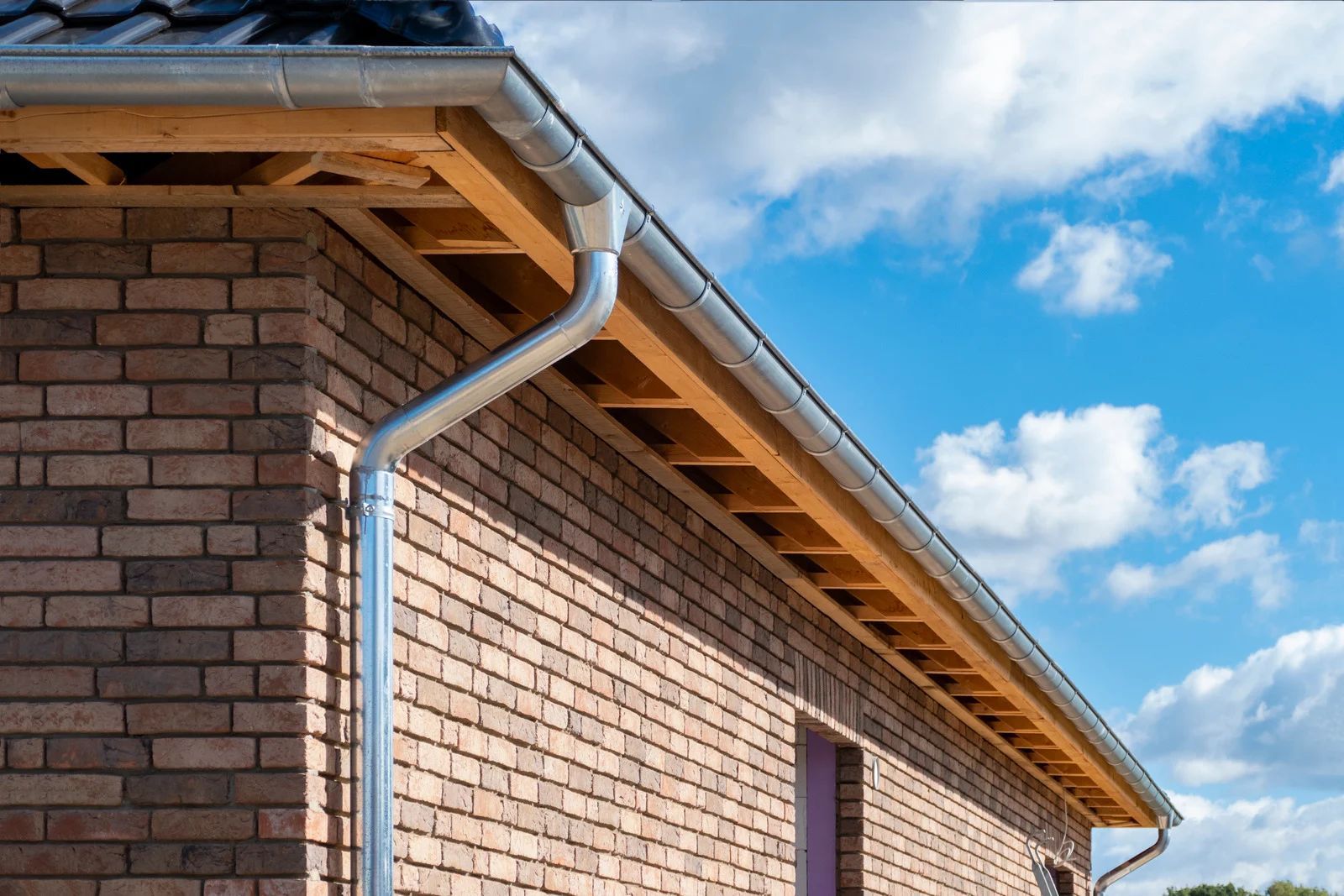
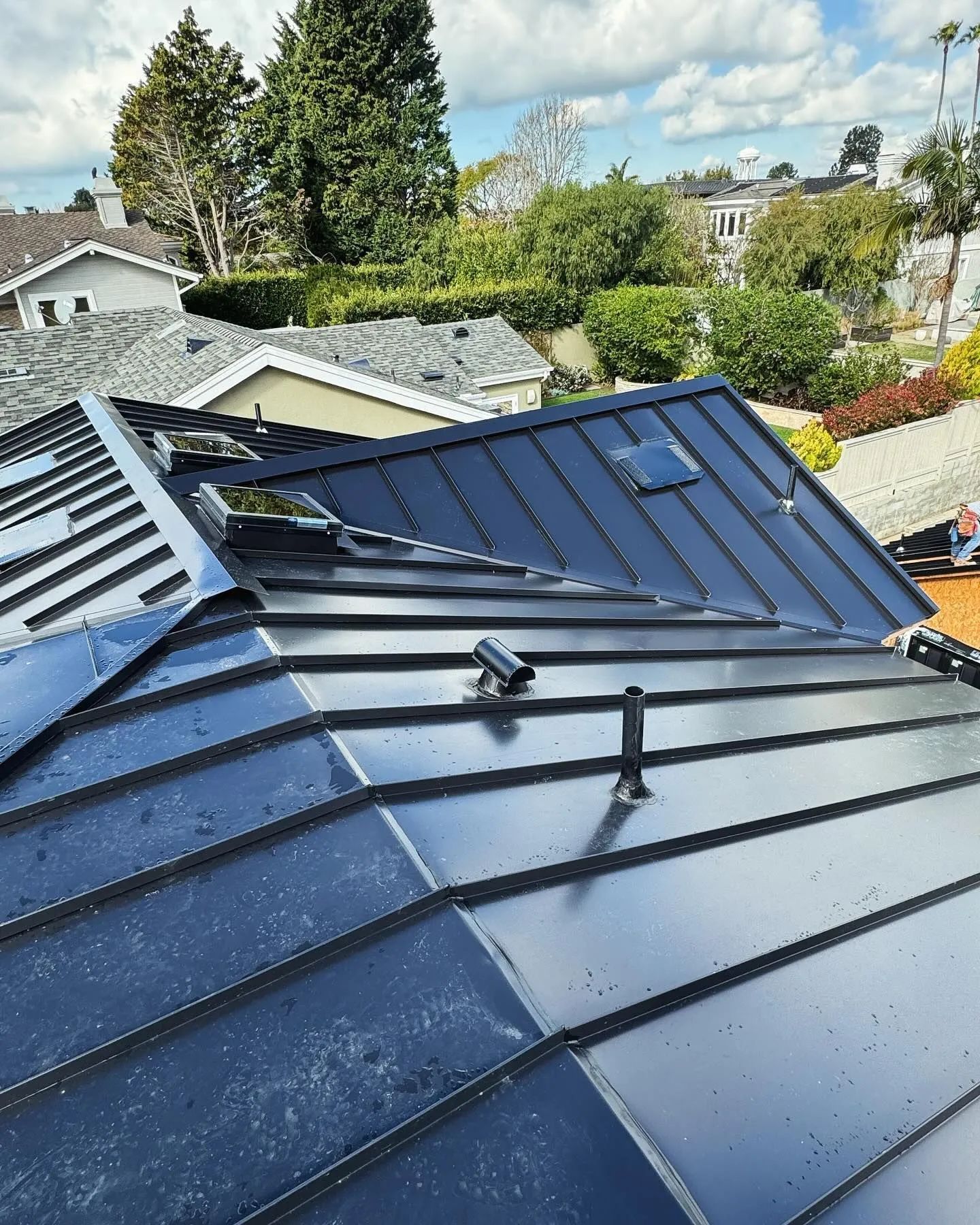
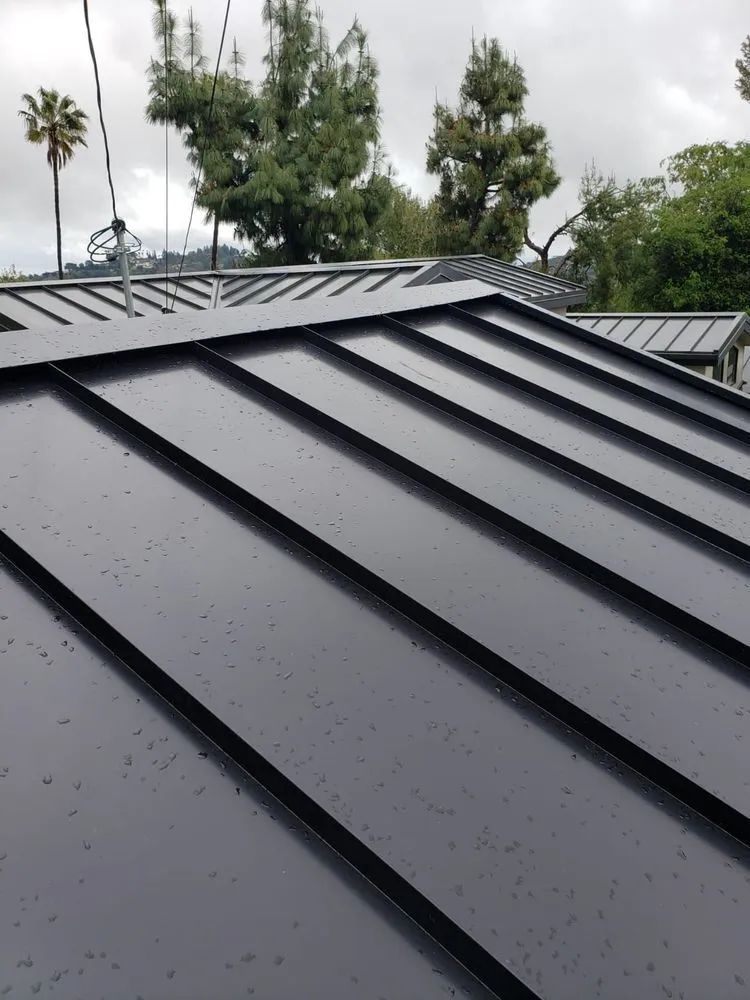
A sheet metal roof is constructed from flat or profiled metal panels installed over a structural deck or framing system. Common metals include steel, aluminum, copper, and zinc, each offering distinct performance characteristics. Panels may be installed using exposed fasteners, concealed clips, or standing seam systems, depending on design and performance requirements. The choice of metal and panel profile can significantly affect durability, aesthetics, and maintenance needs, making it important to match the system to the building’s specific requirements. Modern coatings and finishes further enhance corrosion resistance and longevity.
Common Applications Across Building Types
Sheet metal roofing is widely used in commercial facilities, manufacturing plants, agricultural buildings, and institutional properties. In recent years, architects have also incorporated metal roofs into residential and mixed-use projects due to their clean lines and modern aesthetics. The adaptability of metal makes it suitable for both low-slope and steep-slope applications. Additionally, metal roofing can be customized to meet local building codes, withstand extreme weather events, and complement surrounding structures, increasing both functional and visual appeal.
Key Benefits of Sheet Metal Roofing
Durability and Longevity
One of the strongest arguments for sheet metal roofing is its lifespan. When properly installed and maintained, metal roofs can last 40 to 70 years, significantly outlasting traditional asphalt systems. Metal resists cracking, shrinking, and erosion, making it particularly effective in regions exposed to extreme temperatures or high winds. Its resistance to moisture infiltration and insect damage further reduces long-term maintenance, helping building owners protect their investment over decades.
Weather and Fire Resistance
Sheet metal roofing performs exceptionally well against harsh weather. It sheds rain and snow efficiently, resists impact from debris, and is less vulnerable to fire than many conventional materials. These properties make it a practical option for buildings where safety and resilience are priorities. In addition, metal’s non-combustible nature often meets fire-rating requirements in areas prone to wildfires, enhancing both safety and insurance considerations.
Energy Efficiency and Sustainability
Modern metal roofing systems often include reflective coatings that reduce heat absorption. This can lower cooling costs and improve indoor comfort, especially in warm climates. Additionally, most sheet metal roofs are recyclable, supporting sustainability goals and compliance with green building standards. Some systems can also be paired with solar panels or green roofing elements, offering energy generation opportunities while minimizing environmental impact.
Design Flexibility and Aesthetic Considerations
Integration With Building Systems
Metal roofing integrates well with solar panels, skylights, and ventilation systems. Proper detailing ensures watertight connections and maintains system performance. For commercial buildings, this compatibility supports future upgrades without requiring complete roof replacement. Integration also allows for efficient rainwater harvesting systems and advanced HVAC setups, further optimizing building sustainability and operational efficiency.
Cost Factors and Long-Term Value
Initial Investment Versus Lifecycle Cost
The upfront cost of sheet metal roofing is typically higher than that of asphalt shingles or built-up roofing. However, this initial expense is offset by reduced maintenance, fewer repairs, and longer replacement cycles. Over the life of the building, metal roofing often delivers a lower total cost of ownership. Investing in quality materials upfront can also prevent costly repairs caused by leaks, corrosion, or structural damage, providing peace of mind for building owners.
Maintenance Requirements
Metal roofs require periodic inspections to check fasteners, seams, and coatings, but they generally demand less maintenance than other systems. Addressing minor issues early helps preserve performance and prevent costly damage. Routine maintenance is often simple, involving cleaning debris, checking for scratches or coating wear, and tightening or replacing any loose fasteners to maximize longevity.
Insurance and Resale Benefits
Some insurers offer reduced premiums for metal roofs due to their fire resistance and durability. Additionally, a long-lasting roofing system can enhance property value and appeal to prospective buyers or tenants. The visual appeal of modern metal roofing can also increase curb appeal, potentially providing faster property sales and stronger market positioning in competitive real estate markets.
Challenges and Limitations to Consider
Noise and Insulation Concerns
Without proper insulation, metal roofs may transmit more noise from rain or hail. This issue is mitigated through appropriate underlayment and insulation design. In commercial settings, these measures are standard practice. Homeowners and business operators can also incorporate sound-absorbing barriers or acoustic panels during installation to reduce unwanted noise effectively.
Expansion and Contraction
Metal expands and contracts with temperature changes. Professional installation accounts for this movement through clips and fastening systems that prevent stress-related damage. Poor installation can lead to oil canning or fastener failure, underscoring the importance of experienced workmanship. Careful attention to seam design and fastener placement minimizes the risk of warping or distortion over time, preserving both function and aesthetics.
Suitability for Specific Buildings
Not every structure is an ideal candidate for sheet metal roofing. Buildings with limited structural support or highly complex rooflines may require additional reinforcement or customization, which can affect feasibility and cost. Evaluating roof pitch, deck strength, and load-bearing capacity before installation ensures the metal roofing system performs safely and efficiently for its intended lifespan.
Best Practices for Selecting and Installing Sheet Metal Roofing
Evaluating Building Needs and Climate
Assessing local weather patterns, building use, and energy goals helps determine the appropriate metal type and system design. Coastal environments, for example, benefit from corrosion-resistant materials and specialized coatings. Considering factors like snow load, wind speed, and UV exposure ensures optimal material performance and long-term durability.
Choosing the Right Installation Partner
Expert installation is critical to realizing the benefits of sheet metal roofing. Skilled professionals understand detailing, drainage, and fastening methods that ensure long-term performance. Poor installation can negate the advantages of even the highest-quality materials. Selecting a certified installer with experience in metal roofing systems minimizes the risk of leaks, structural issues, and premature wear.
Planning for Long-Term Performance
A successful metal roofing project includes proper design, quality materials, and a maintenance plan. Regular inspections and prompt repairs extend service life and protect the building investment. Documenting maintenance schedules, monitoring roof condition, and applying protective coatings when necessary further preserve the roof’s appearance, performance, and financial value over decades.
Sheet metal roofing offers a compelling combination of durability, energy efficiency, and design flexibility that makes it a strong contender for many building types. Its long lifespan, resistance to environmental stressors, and low maintenance demands provide measurable advantages over traditional roofing systems. At the same time, careful evaluation is essential. Factors such as upfront cost, insulation requirements, and building compatibility must be weighed to determine overall suitability. When selected and installed correctly, a sheet metal roof is not simply a covering but a long-term asset that enhances structural performance and operational efficiency. Understanding its benefits and limitations allows building owners to make informed decisions aligned with both immediate needs and future goals.
Professional Insights for Optimal Metal Roofing Decisions
When it comes to evaluating and installing high-performance sheet metal roofing systems, working with an experienced specialist makes a critical difference. Socal Sheet Metal, Inc., based in Canoga Park, California, brings 10 years of hands-on industry experience to commercial and architectural metal roofing projects. Their expertise spans fabrication, installation, and system design, ensuring that each roofing solution is tailored to the specific demands of the building and environment.
With a deep understanding of metal behavior, structural integration, and code compliance, the company approaches every project with precision and accountability. Their commitment to quality craftsmanship and long-term performance aligns directly with the considerations discussed in this guide. From material selection to detailed installation, they focus on delivering roofing systems that stand up to real-world conditions while supporting energy efficiency and durability goals. For property owners seeking a reliable partner who understands both the technical and practical aspects of sheet metal roofing, Socal Sheet Metal, Inc.
represents a trusted authority dedicated to protecting buildings and investments for the long term.