Rain Gutters vs. Downspouts: What’s the Real Difference and Why It Matters
Rainwater management is an essential aspect of maintaining a home’s structural integrity and protecting its foundation. For homeowners and property managers alike, understanding how water interacts with a building can mean the difference between long-term durability and costly damage. While many are familiar with terms like gutters and downspouts, there is often confusion about how these components function individually and together. Misunderstanding their roles can lead to improper installation, poor water diversion, and even damage to walls, roofs, and landscaping. In today’s era of smart home maintenance, distinguishing between rain gutters and downspouts is more important than ever, ensuring that water flows efficiently away from structures.
Rain gutters and downspouts, though part of the same water management system, serve distinct purposes. Gutters act as channels that collect rainwater from the roof, while downspouts direct that water safely to the ground or drainage system. Recognizing this difference is crucial for anyone looking to optimize their home’s water management, prevent erosion, and avoid structural damage. In this blog, we will explore the unique roles of gutters and downspouts, common issues, best practices, and expert advice to help you maintain a safe, efficient rainwater system.
Understanding the Basics of Rain Gutters and Downspouts
What Are Rain Gutters?
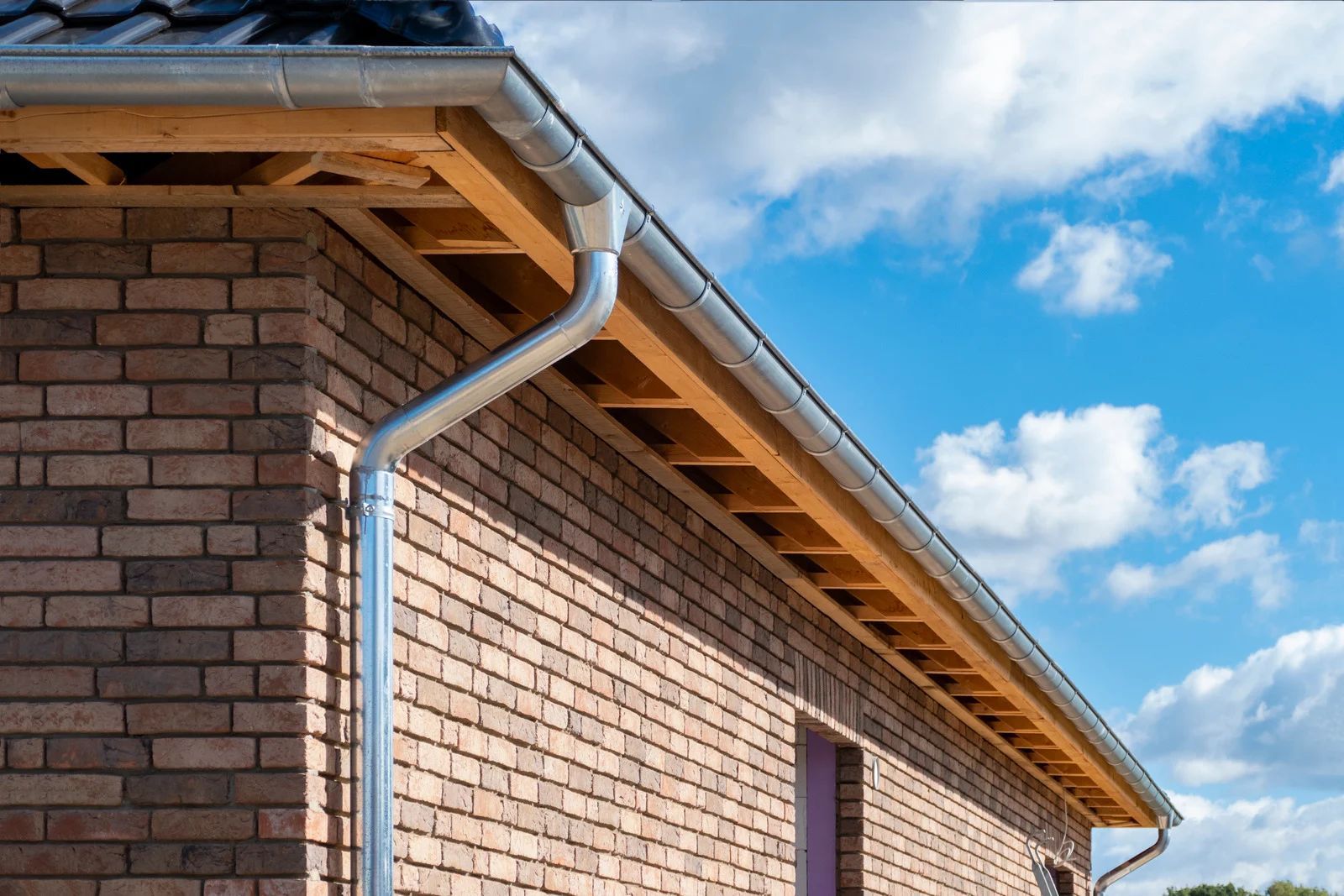
Rain gutters are horizontal channels installed along the edges of a roof to capture and redirect rainwater. They are typically made from materials such as aluminum, steel, copper, or vinyl, each offering different levels of durability, aesthetic appeal, and cost-effectiveness. The primary purpose of gutters is to prevent rainwater from dripping directly off the roof edge, which can damage siding, erode soil, and create water stains on a property’s exterior. By catching water at the source, gutters serve as the first line of defense against water-related damage.
Gutters must be correctly sized and pitched to ensure efficient water flow. A poorly sloped gutter can lead to standing water, promoting rust, mold growth, and increased debris accumulation. Standard recommendations suggest a slope of at least a quarter-inch per 10 feet of gutter to facilitate proper drainage. Additionally, homeowners often add gutter guards or screens to minimize clogging from leaves, twigs, and other debris, reducing maintenance needs and extending the lifespan of the system.
What Are Downspouts?
Downspouts are vertical pipes connected to gutters that guide water from the roof to a designated drainage area, such as a storm drain, dry well, or garden bed. Unlike gutters, which collect water along the roofline, downspouts focus on controlled delivery of water to prevent pooling near a home’s foundation. Without downspouts, even the most efficient gutters would fail to protect the property, as collected water could overflow and seep into basements or crawl spaces.
The placement of downspouts is critical for optimal performance. Typically, a residential property requires one downspout per 30–40 feet of gutter, though local rainfall patterns, roof size, and slope may influence this requirement. Properly sized downspouts prevent overflow during heavy rain events and reduce the risk of foundation damage, soil erosion, and landscaping washouts.
Key Differences Between Gutters and Downspouts
In simple terms, gutters collect and downspouts deliver. Gutters manage water horizontally along the roof edge, while downspouts manage vertical water flow away from the structure. Understanding this distinction helps in proper installation, maintenance, and troubleshooting of water management systems.
The Importance of Proper Installation and Maintenance
Ensuring Effective Installation
Correct installation of gutters and downspouts is crucial to their effectiveness. Improperly installed gutters can sag, detach, or fail to channel water to downspouts, while misaligned downspouts can create flooding near the foundation. Hiring experienced professionals or following manufacturer guidelines ensures that the system functions optimally. For example, using brackets spaced no more than 24 inches apart can prevent gutters from bending under water weight, while downspouts should have smooth bends and unobstructed paths to the drainage point.
Maintenance Strategies
Regular maintenance is necessary to keep gutters and downspouts functional. Cleaning gutters at least twice a year—especially in regions with heavy foliage—prevents blockages that can lead to overflow and water damage. Checking for rust, leaks, or loose fasteners helps identify issues early, reducing the need for costly repairs. Downspouts should also be inspected for clogs, particularly at elbow joints, which are common spots for debris accumulation.
Real-World Example
Consider a home in a rainy climate where gutters were neglected for several years. Water overflowed during storms, causing basement flooding and foundation erosion. By properly cleaning and adding downspout extensions to redirect water further from the home, the homeowner prevented further damage and preserved property value. This example highlights the importance of understanding the interaction between gutters and downspouts.
Common Challenges and Solutions
Downspout Water Backup
Downspouts can become blocked by debris or ice in colder climates, leading to water backup and roof damage. Using downspout strainers and ensuring a smooth, unobstructed path to drainage areas mitigates this risk. In extreme cases, heated cables may be necessary in snowy regions to prevent ice dams that block water flow.
Structural Stress and Sagging
Overloaded gutters can pull away from the roofline, leading to sagging or detachment. This usually occurs when gutters are undersized or brackets are spaced too far apart. Solutions include reinforcing brackets, upgrading to larger gutters, or installing additional downspouts to evenly distribute water load.
Landscape and Erosion Issues
Incorrectly directed downspouts can cause soil erosion or damage landscaping. Adding downspout extensions, splash blocks, or underground drainage systems ensures that water is safely diverted away from the foundation and sensitive garden areas. Proper planning during installation helps prevent long-term issues.
Choosing the Right Materials and Styles
Material Options for Gutters
Selecting the right material impacts durability, appearance, and maintenance. Common options include:
- Aluminum: Lightweight, rust-resistant, and cost-effective. Ideal for most climates.
- Steel: Strong and durable but prone to rust if not properly coated.
- Copper: Long-lasting and aesthetically appealing, often used in high-end homes.
- Vinyl: Affordable and lightweight but can warp in extreme temperatures.
Material Options for Downspouts
Downspouts generally match gutter materials for consistent appearance and functionality. Aluminum and vinyl are popular for residential properties, while copper or steel is common in commercial or decorative applications. Material choice influences longevity, cost, and ease of maintenance.
Style Considerations
Gutters come in K-style, half-round, and box-style profiles. K-style gutters are widely used due to their modern appearance and ability to handle high water volumes. Half-round gutters offer a traditional aesthetic and smooth water flow, reducing debris accumulation. Downspouts are typically round or rectangular, with style selection largely guided by aesthetics and flow capacity requirements.
Best Practices
For optimal performance, match gutter and downspout size to local rainfall patterns and roof area. Oversized gutters may be unnecessary, while undersized gutters can overflow during heavy storms. Consulting a professional ensures a system tailored to the property’s needs.
Benefits of a Well-Designed Gutter and Downspout System
Protecting Structural Integrity
A properly functioning gutter and downspout system safeguards a home’s foundation, walls, and roof. By directing water away from vulnerable areas, these systems prevent erosion, leaks, and basement flooding, preserving the property’s structural integrity over time.
Enhancing Curb Appeal
Well-maintained gutters and downspouts contribute to a home’s aesthetic appeal. Clean, correctly aligned systems complement exterior design, while premium materials like copper add visual value and sophistication.
Reducing Maintenance Costs
Investing in quality gutters and downspouts minimizes long-term maintenance expenses. Features such as gutter guards, smooth interior surfaces, and properly pitched channels reduce debris buildup and prevent costly water damage repairs.
Supporting Sustainable Landscaping
Strategically placed downspouts can facilitate rainwater harvesting or irrigation, promoting sustainable landscaping practices. Diverting rainwater into rain barrels or gardens reduces water waste and helps maintain healthy plants without over-relying on municipal water systems.
Expert Recommendations and Best Practices
Professional Installation
Hiring experienced professionals ensures correct installation, including proper slope, secure attachment, and correct downspout placement. This reduces the risk of water damage and extends the system’s lifespan.
Routine Inspections
Inspect gutters and downspouts at least twice a year, checking for leaks, rust, and misalignment. Prompt repairs prevent small issues from escalating into major problems.
Seasonal Maintenance
In areas with heavy rainfall or snowfall, more frequent maintenance may be necessary. Clearing gutters before winter prevents ice dams, while pre-storm inspections help avoid overflow during rainy seasons.
Upgrades and Innovations
Modern systems offer options like seamless gutters, which reduce leak points, and rainwater harvesting solutions integrated with downspouts. These innovations enhance performance, reduce maintenance, and provide eco-friendly benefits.
Expert Advice on Maintaining Your Rainwater System
At Socal Sheet Metal, Inc., we bring 10 years of experience in designing, fabricating, and installing high-quality rainwater management systems. Based in Canoga Park, California, our team understands the critical role gutters and downspouts play in protecting your home or commercial property. We specialize in custom solutions tailored to each client’s needs, ensuring efficient water flow, durability, and aesthetic appeal.
Our experts work closely with clients to select the best materials, styles, and installation techniques for long-lasting performance. From aluminum and copper gutters to seamless designs and innovative downspout configurations, we offer solutions that prevent water damage, enhance property value, and reduce maintenance demands. We are committed to delivering professional, reliable service, backed by years of hands-on experience and industry knowledge. Whether you’re installing a new system or upgrading an existing one, Socal Sheet Metal, Inc.
provides trusted expertise to ensure your home stays protected through every season.