Installing and Maintaining Downspouts: Tips for Long-Lasting Performance
Proper water management is one of the most important aspects of protecting any structure from long-term damage. Downspouts play a critical role in directing rainwater away from roofs, walls, and foundations, preventing issues such as erosion, basement flooding, and structural weakening. When installed and maintained correctly, downspouts ensure that the entire gutter system performs efficiently during heavy rainfall and seasonal weather changes. Despite their importance, they are often overlooked until visible damage occurs, which can lead to costly repairs and avoidable complications.
Understanding how to install and maintain downspouts is essential for both residential and commercial property protection. A well-designed drainage system not only extends the life of the roof and foundation but also improves overall property durability and safety. From selecting the right materials to ensuring proper slope and placement, every detail contributes to performance. Regular maintenance further ensures that blockages, leaks, and misalignments do not compromise the system’s effectiveness. This guide provides practical, professional insights into installing and maintaining downspouts for long-lasting performance, helping property owners make informed decisions that safeguard their investment and enhance long-term structural integrity.
1. Understanding Downspout Systems and Their Role in Water Management
Importance of Proper Water Diversion
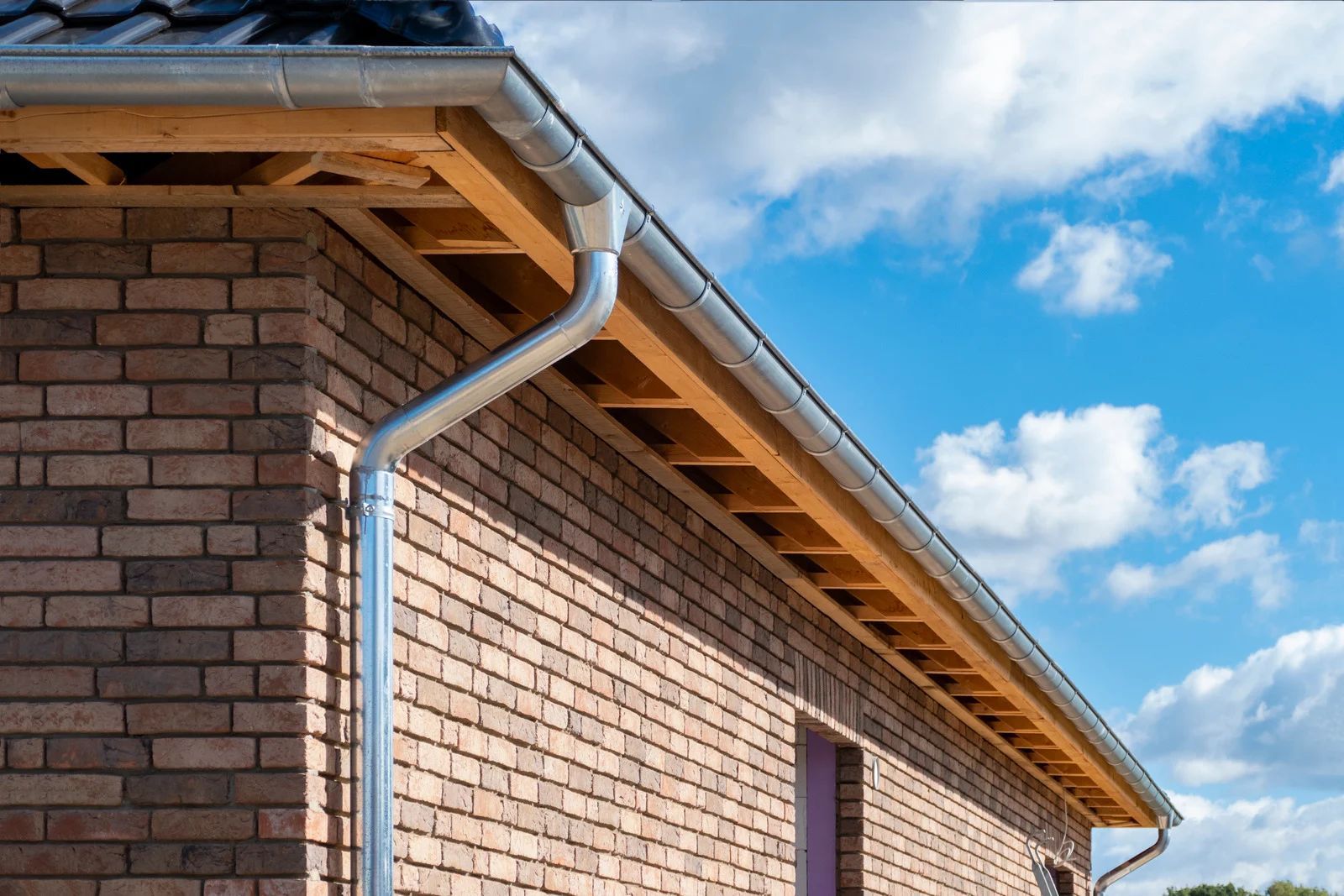
Downspouts are essential components of any gutter system, designed to carry rainwater from roof gutters safely to the ground or drainage system. Without proper diversion, water accumulates near the foundation, increasing the risk of cracks, soil erosion, and moisture intrusion. Proper control ensures structural protection, reduces long-term repair costs, and maintains overall property stability during heavy rainfall conditions consistently.
How Downspouts Protect Structures
Effective downspouts reduce hydrostatic pressure around foundations. By channeling water away efficiently, structural stability improves and long-term maintenance costs decrease significantly. Controlled water flow also prevents basement seepage, wall deterioration, and landscape damage. Properly functioning systems create a protective barrier that preserves building integrity and enhances durability across seasonal weather variations and heavy storm conditions reliably.
Common Installation Challenges
Improper sizing, incorrect placement, and insufficient slope often lead to overflow or pooling. These issues typically arise when system design is overlooked or rushed. Poor alignment further reduces efficiency and increases maintenance needs. Addressing installation errors early ensures smoother water flow, prevents damage to surrounding surfaces, and supports long-term system reliability under varying weather conditions consistently.
Material Selection Considerations
Aluminum, galvanized steel, and vinyl are commonly used materials. Each offers different durability levels, weather resistance, and maintenance needs. Choosing the right material ensures long-lasting performance and reduced repair frequency. Proper selection also improves system efficiency, minimizes corrosion risks, and supports better structural integration with roofing and drainage components for improved long-term environmental resilience overall.
2. Proper Installation Techniques for Maximum Efficiency
Ensuring Correct Slope and Alignment
A slight downward slope is necessary for gravity-driven water movement. Misalignment can cause stagnation, overflow, or backflow into gutters. Correct alignment ensures smooth discharge and reduces pressure buildup within the system. Proper slope also improves efficiency during heavy rainfall, preventing water pooling and ensuring consistent performance across all connected drainage components throughout usage cycles.
Secure Fastening Methods
Using high-quality brackets and anchors ensures stability during heavy wind or rain. Loose fittings often lead to vibration damage and eventual system failure. Secure fastening prevents movement, reduces wear on joints, and maintains alignment. Strong installation practices enhance durability, minimize maintenance requirements, and ensure long-term structural reliability under extreme environmental conditions and seasonal stress effectively.
Connecting to Drainage Systems
Downspouts should direct water into extensions, splash blocks, or underground drainage systems. Proper connection prevents water from pooling near building foundations. Effective discharge planning protects soil structure, reduces erosion risks, and improves site drainage. Well-connected systems ensure controlled water flow, preventing localized flooding and supporting long-term foundation stability and exterior surface protection reliably.
3. Preventing Blockages and Ensuring Smooth Water Flow
Common Causes of Clogs
Leaves, twigs, dirt, and roofing debris frequently accumulate inside downspouts. Seasonal shedding and storms increase clogging risks. These obstructions restrict water flow and create backups. Regular awareness of debris sources helps reduce blockages, improve drainage efficiency, and maintain consistent performance across varying weather conditions and environmental exposure throughout the year effectively.
Installing Protective Accessories
Gutter guards and downspout strainers help reduce debris entry. These additions significantly improve system efficiency and reduce maintenance frequency. Protective accessories also extend system lifespan by minimizing internal buildup. Proper installation ensures smoother water flow, reduces cleaning efforts, and supports continuous drainage performance even during heavy rainfall and seasonal environmental changes effectively and reliably.
Importance of Regular Cleaning
Routine flushing ensures that minor blockages do not escalate into full system backups. Cleaning schedules should be adjusted based on surrounding vegetation. Regular maintenance improves water flow, prevents overflow damage, and maintains system efficiency. Consistent cleaning also reduces strain on components, ensuring long-term reliability and stable performance during all weather conditions throughout usage.
Identifying Early Warning Signs
Slow drainage, water overflow, and visible debris buildup indicate potential blockage. Early intervention prevents costly structural damage. Recognizing these signs helps maintain system efficiency and prevents escalation of issues. Timely action ensures uninterrupted water flow, reduces repair expenses, and protects surrounding structures from moisture-related deterioration and long-term environmental impact effectively and consistently.
4. Maintenance Practices for Long-Term Durability
Seasonal Inspection Routine
Inspecting downspouts before and after heavy rainfall seasons ensures optimal performance. This includes checking joints, fasteners, and drainage outlets. Regular inspections help identify early issues, prevent system failure, and maintain efficiency. Consistent monitoring supports long-term durability, reduces unexpected repairs, and ensures reliable water management across changing seasonal weather conditions and environmental challenges effectively.
Leak Detection and Repair
Small leaks often develop at connection points. Sealing these promptly prevents water escape that can damage siding and foundations. Early repair improves system integrity and prevents costly deterioration. Proper sealing techniques ensure long-lasting performance, maintain drainage efficiency, and protect surrounding structural components from moisture exposure and progressive water-related damage over time consistently.
Rust and Corrosion Prevention
Metal downspouts may develop rust over time. Protective coatings and timely repainting extend service life and improve appearance. Preventive maintenance reduces material degradation, enhances durability, and ensures consistent water flow. Addressing corrosion early preserves structural integrity, minimizes replacement costs, and supports long-term system reliability under varying environmental conditions and seasonal moisture exposure effectively.
Re-alignment and Structural Adjustments
Shifting soil or physical impact can misalign downspouts. Realigning ensures continued water flow efficiency and prevents overflow issues. Proper adjustment restores system balance, improves drainage performance, and reduces stress on connected components. Regular alignment checks maintain stability, prevent water pooling, and ensure long-term effectiveness under changing environmental and structural conditions consistently.
5. Optimizing Downspout Performance for Extreme Weather Conditions
Handling Heavy Rainfall
Extended downspouts and additional outlets help manage high water volumes during storms. This prevents system overload and overflow. Proper design ensures rapid discharge, reduces pressure buildup, and protects foundations. Efficient handling of heavy rainfall maintains drainage balance, prevents flooding risks, and supports long-term structural safety during extreme weather events and seasonal storm conditions effectively.
Wind Resistance Enhancements
Secure mounting systems and reinforced brackets reduce the risk of detachment during high winds. Strong installation improves durability, minimizes damage, and maintains alignment. Wind-resistant design ensures system stability, prevents structural failure, and supports consistent water flow. Proper reinforcement enhances reliability, reduces maintenance needs, and protects drainage efficiency during severe weather conditions consistently.
Freeze and Ice Protection
In colder climates, water freezing inside downspouts can cause blockages. Proper insulation and drainage angles help minimize freezing risks. Preventive measures ensure smooth water flow, reduce damage, and maintain system efficiency. Effective ice protection strategies preserve structural integrity, prevent cracks, and support reliable drainage performance during freezing temperatures and seasonal cold conditions effectively.
Landscape Integration Strategies
Directing water into gravel beds or drainage swales improves absorption and prevents soil erosion around structures. Proper landscape integration enhances drainage efficiency, supports groundwater recharge, and reduces surface runoff. Well-designed systems protect surrounding areas, maintain soil stability, and ensure balanced water distribution across outdoor environments during varying rainfall and seasonal conditions consistently.
Reliable Installation Practices Supporting Long-Term Durability
At Socal Sheet Metal, Inc., precision-driven installation and long-lasting performance define every downspout and drainage solution delivered to property owners. With 10 Years of hands-on industry experience in Canoga Park, California, expertise has been built around understanding how water management systems behave under diverse environmental conditions. Every project focuses on ensuring proper water flow, structural protection, and durable system design that withstands seasonal challenges and heavy rainfall demands. High-quality materials combined with detailed installation practices help create drainage systems that perform reliably for years.
A strong commitment to craftsmanship ensures every downspout system is designed with accuracy and functionality in mind. Careful attention is given to slope alignment, secure fastening, and proper discharge planning to reduce risks associated with water damage. Maintenance insights and long-term performance strategies are also integrated into every solution, helping property owners maintain efficiency and avoid unnecessary repairs. The goal is to deliver dependable systems that enhance structural safety and preserve property value. Through consistent quality standards and practical expertise, every installation reflects a deep understanding of water control engineering and long-term durability requirements in real-world conditions.