Common Sheet Metal Roof Problems and How to Spot Them Early
A sheet metal roof is one of the most durable roofing systems available, but durability does not mean invincible. Over time, even a well-installed metal roof develops issues that, if left unnoticed, turn into serious structural problems. The difference between a minor repair and a major replacement often comes down to one thing: how early you catch the warning signs. For property owners in warmer, coastal, or high-wind regions especially, understanding what to look for on a metal roof is not optional. It is part of responsible building ownership.
Sheet metal roofing systems face a unique set of challenges compared to shingles or tile. Metal expands and contracts with temperature changes, reacts to moisture at connection points, and can suffer from installation-related issues that only show up months or years later. This blog breaks down the most common sheet metal roof problems, explains what causes them, and walks through exactly how to spot them before they develop into something larger. Whether you own a commercial building, warehouse, or residential property with a metal roof, the information here will help you protect your investment.
Rust, Corrosion, and Surface Oxidation
Why Metal Roofs Corrode
Corrosion is the single most discussed issue in metal roofing, and for good reason. Even galvanized and coated steel panels are vulnerable to rust when their protective layers are compromised. The process begins at the surface level, often starting around fasteners, panel edges, or scratched areas where the coating has been damaged.
Galvanic corrosion is a less obvious but equally destructive form. This occurs when two dissimilar metals come into contact with each other in the presence of moisture. For example, copper flashing against a steel panel will accelerate corrosion at the contact point. If your roof uses mixed metals in its fasteners, gutters, or flashing, this is a real concern.
How to Spot It Early
Look for reddish-brown staining on the panel surface, especially near seams and fastener points. Streaking down exterior walls below the roofline is another early indicator. During close inspections, look for bubbling or peeling in the painted or coated surface, which signals that moisture has gotten beneath the finish layer. A small amount of surface oxidation on aluminum roofs is normal and forms a protective layer, but on steel panels, any visible rust is worth addressing.
Fastener and Seam Failures
- The Role of Fasteners in Metal Roof Integrity:-
Exposed fastener metal roofing systems rely on screws with rubber or neoprene washers to seal each penetration point. Over time, UV exposure causes those washers to crack, compress, or degrade. When they fail, that small screw hole becomes an entry point for water every time it rains.
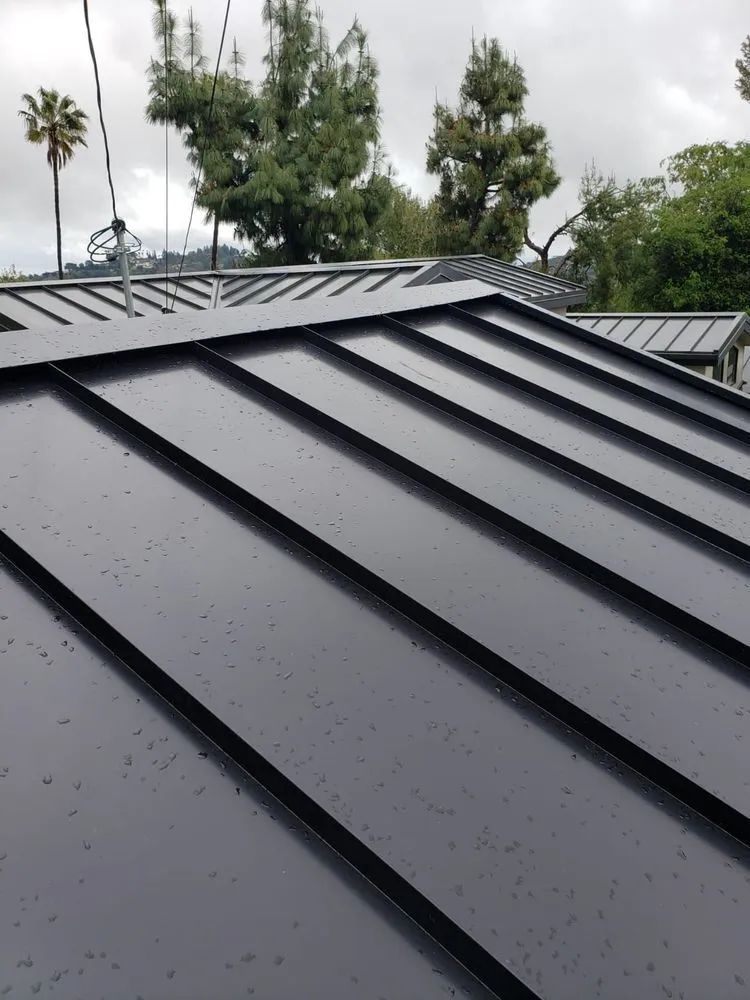
Panel seams on standing seam systems can also develop problems. Improper installation, inadequate sealant, or movement from thermal expansion can cause seams to separate or allow water infiltration at the overlap points.
- What to Look For:-
From the ground, you may notice water stains on interior ceilings or walls directly below fastener lines. Up close, look for screws that appear to be backing out of the panel, missing screws, or washers that look flattened, cracked, or dried out. On seam systems, look for any visible gaps, sealant that has separated, or panels that appear to have shifted out of alignment.
Thermal Movement and Panel Oil Canning
Understanding Oil Canning
Spotting the Signs
Oil canning is visible from the ground on clear, bright days as a wavy or uneven surface appearance on flat panel sections. Thermal damage at connections is harder to see without getting on the roof, but interior inspection after temperature swings can reveal new staining or cracking that was not there before.
Flashing Failures and Water Infiltration Points
- Where Flashing Problems Originate:-
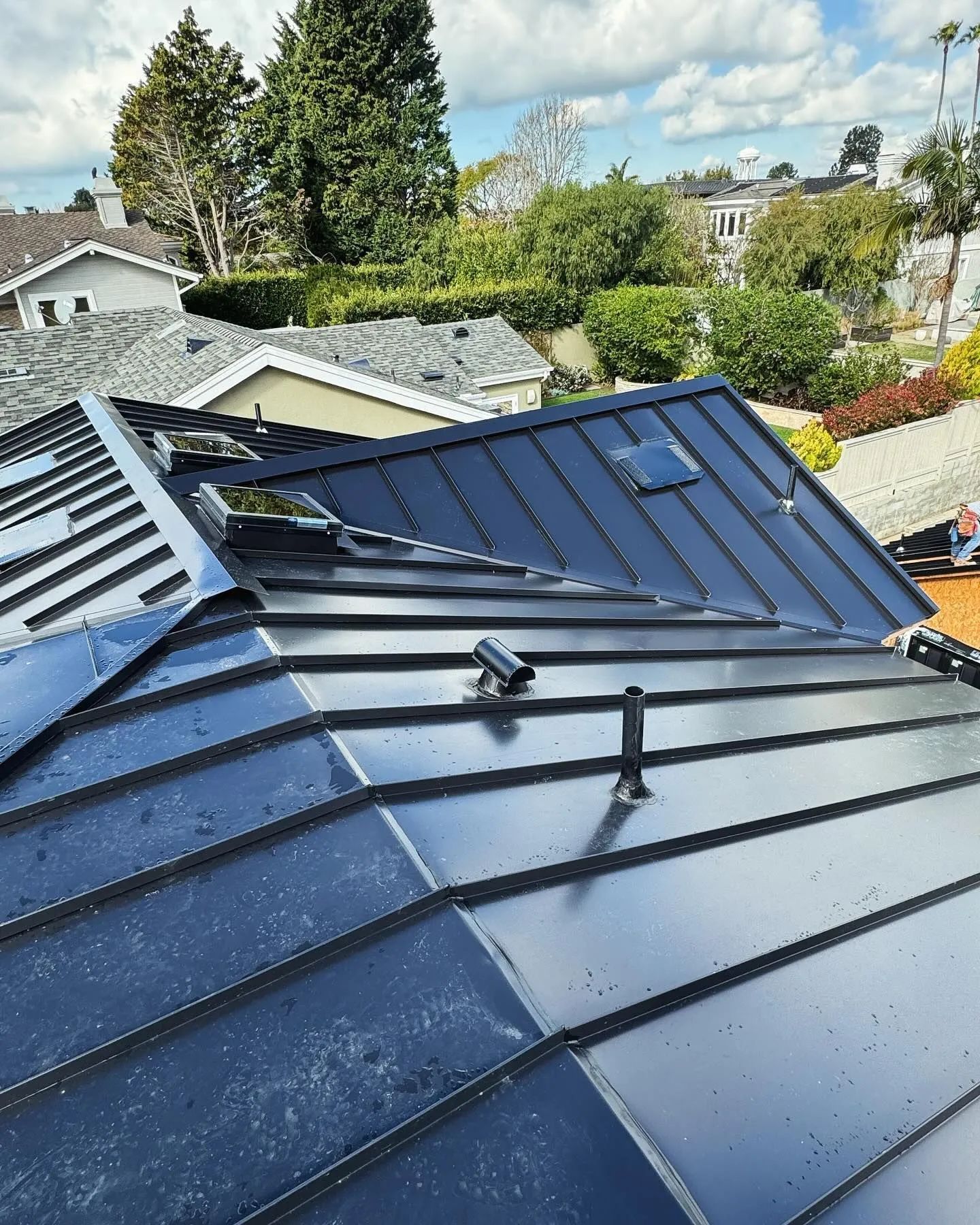
Flashing is the metal material used to seal transitions on a roof, around skylights, at walls, chimneys, vents, and valleys. It is arguably the most vulnerable part of any roofing system because it sits at the intersection of two surfaces. On sheet metal roofs, flashing must also accommodate the movement of the main panels.
When flashing is improperly sized, uses incompatible materials, or is sealed with low-grade caulk, it fails faster than the rest of the roof. Even correctly installed flashing degrades over time as sealants age and metals fatigue.
- Real-World Scenario:- A commercial building in a hot climate may have a metal roof that performs without issue for eight years. Then, as the sealant around a rooftop HVAC curb begins to shrink and crack from repeated heat cycles, water starts entering at that single point. The leak shows up on the ceiling tiles inside, three feet away from the actual breach. The cause is misidentified as a panel problem when the real issue is a failed flashing seal.
- Detection Tips:- Check all roof penetrations during and after heavy rain if possible, or hire a qualified inspector to do a thorough flashing audit. Look for caulk that has shrunk away from the metal surface, flashing that has lifted at the edges, or metal that shows signs of movement or buckling near transition points.
Ponding Water and Drainage Issues
Why Standing Water Is a Problem on Metal Roofs
Metal roofs on low-slope or flat structures are particularly vulnerable to ponding water. While metal itself resists water well, standing water accelerates corrosion at any breach point, adds weight stress to the structure, and creates conditions where algae and debris accumulate.
Gutters and drains that are undersized, clogged, or installed without adequate slope will cause water to back up onto the roof surface after every rain event.
Signs to Watch For
After rainfall, check whether water clears from the roof within 48 hours. If puddles remain longer than that, the drainage system is not performing as it should. Interior water stains that appear only after heavy or extended rain, rather than light rain, often point to drainage backup rather than a panel or flashing failure.
A simple table of common drainage warning signs:
| Sign | Likely Cause |
|---|---|
| Standing water after 48 hours | Inadequate slope or clogged drains |
| Algae streaks across panels | Chronic moisture retention |
| Interior staining after heavy rain only | Gutter overflow or drain backup |
| Debris accumulation at valleys | Undersized or blocked valley drains |
Experienced Sheet Metal Roofers Canoga Park Property Owners Trust
Sheet metal roofing is one of the most dependable systems in the industry, but it requires informed attention to remain in peak condition. The problems covered here, including corrosion, fastener degradation, oil canning, flashing failure, and drainage issues, are all manageable when caught early. The most important thing any property owner can do is inspect regularly, document changes, and act before small indicators become large repairs. A proactive approach saves buildings from interior damage, structural compromise, and the kind of widespread deterioration that shortens a roof's lifespan by years.
Socal Sheet Metal, Inc.
has been serving property owners across Canoga Park, California and the surrounding region for 10
years. We specialize in sheet metal roofing installation, repair, and maintenance for residential and commercial structures. Our work is grounded in hands-on expertise and a thorough understanding of how local climate conditions affect metal roofing systems over time. We approach every project with the same level of care, whether we are diagnosing a single leak point or overseeing a full roof restoration. Our team understands the full lifecycle of metal roofs, which means we identify problems that less experienced roofers frequently miss. When you work with us, you get a crew that knows exactly what to look for and what to do about it.
Frequently Asked Questions
1. How often should a sheet metal roof be inspected?
We recommend a professional inspection at least once per year, with an additional check after any major storm event. Catching minor issues between annual visits prevents small problems from growing into larger structural concerns over a short period.
2. Can surface rust on a metal roof be repaired without full panel replacement?
Yes, surface rust that has not penetrated through the panel can often be treated with rust-inhibiting primers and protective coatings. We assess the depth and spread of corrosion before recommending a repair approach versus full panel replacement.
3. What causes screws to back out of a metal roof over time?
Thermal expansion and contraction cycles cause panels to move repeatedly, which loosens fasteners over months and years. Screws installed without proper torque control during installation are especially prone to backing out sooner than expected.
4. Is oil canning on a metal roof a sign of structural damage?
In most cases, oil canning is a cosmetic issue caused by panel stress or manufacturing variation. However, severe or worsening oil canning can indicate that panels are under abnormal load, which warrants a closer evaluation by a qualified metal roofing professional.
5. How do I know if my metal roof's flashing is failing?
Look for caulk that has pulled away from the metal surface, discoloration at roof-to-wall transitions, or interior staining near penetrations like vents, skylights, and HVAC equipment. These signs point to flashing that is no longer forming a reliable seal.